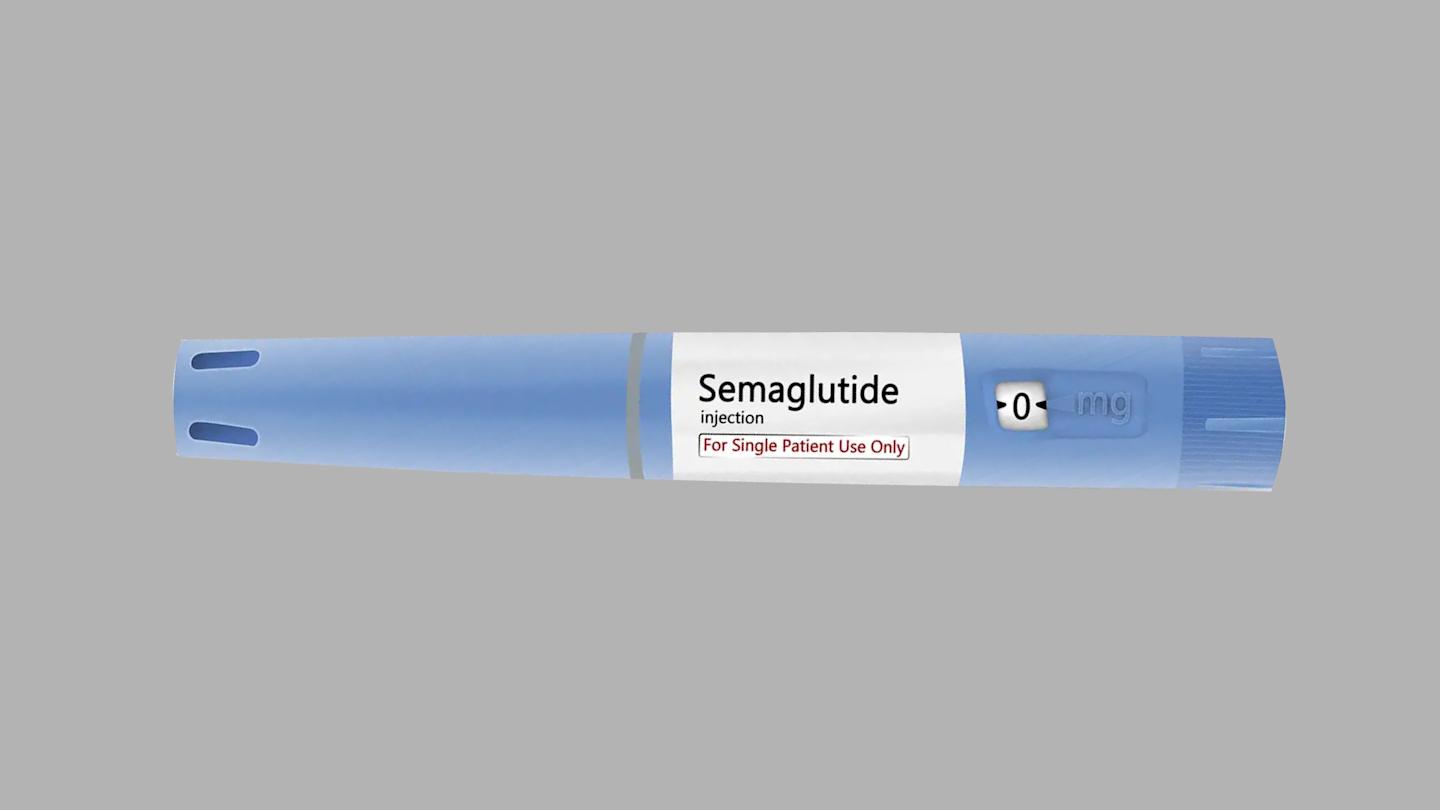
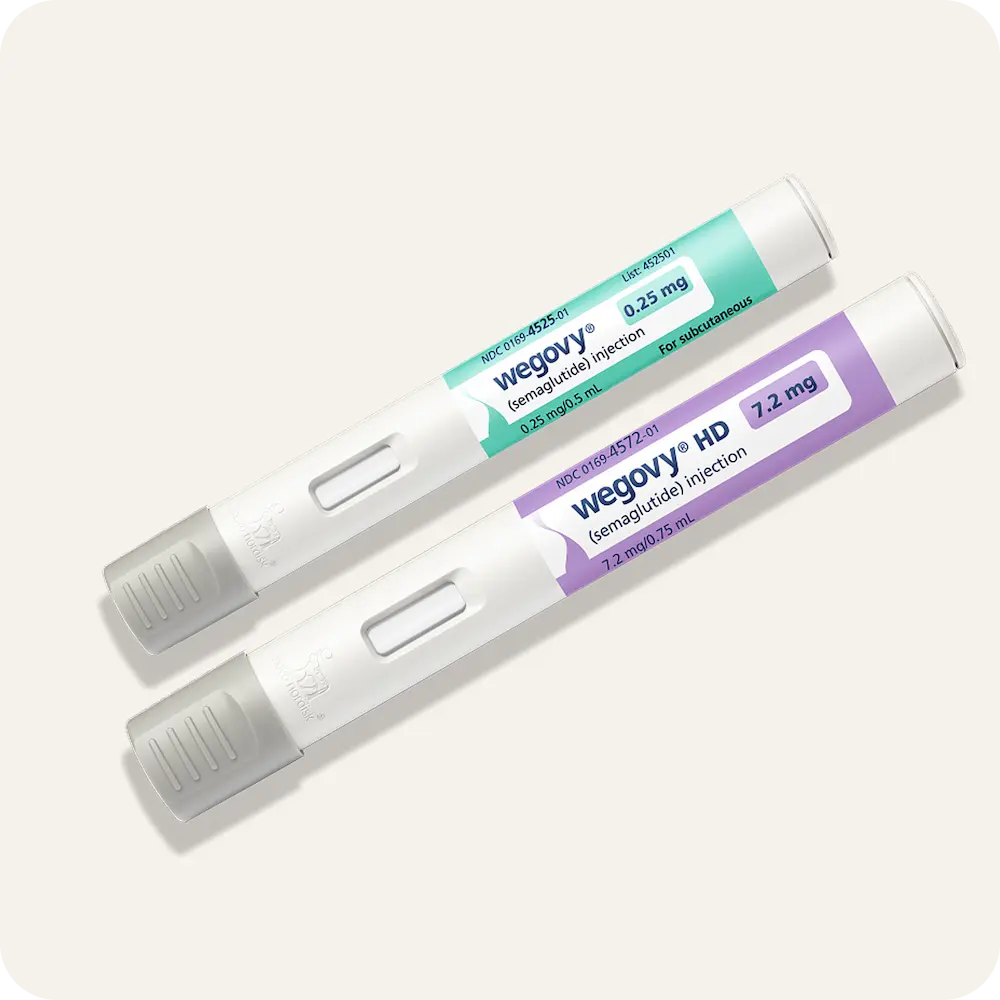
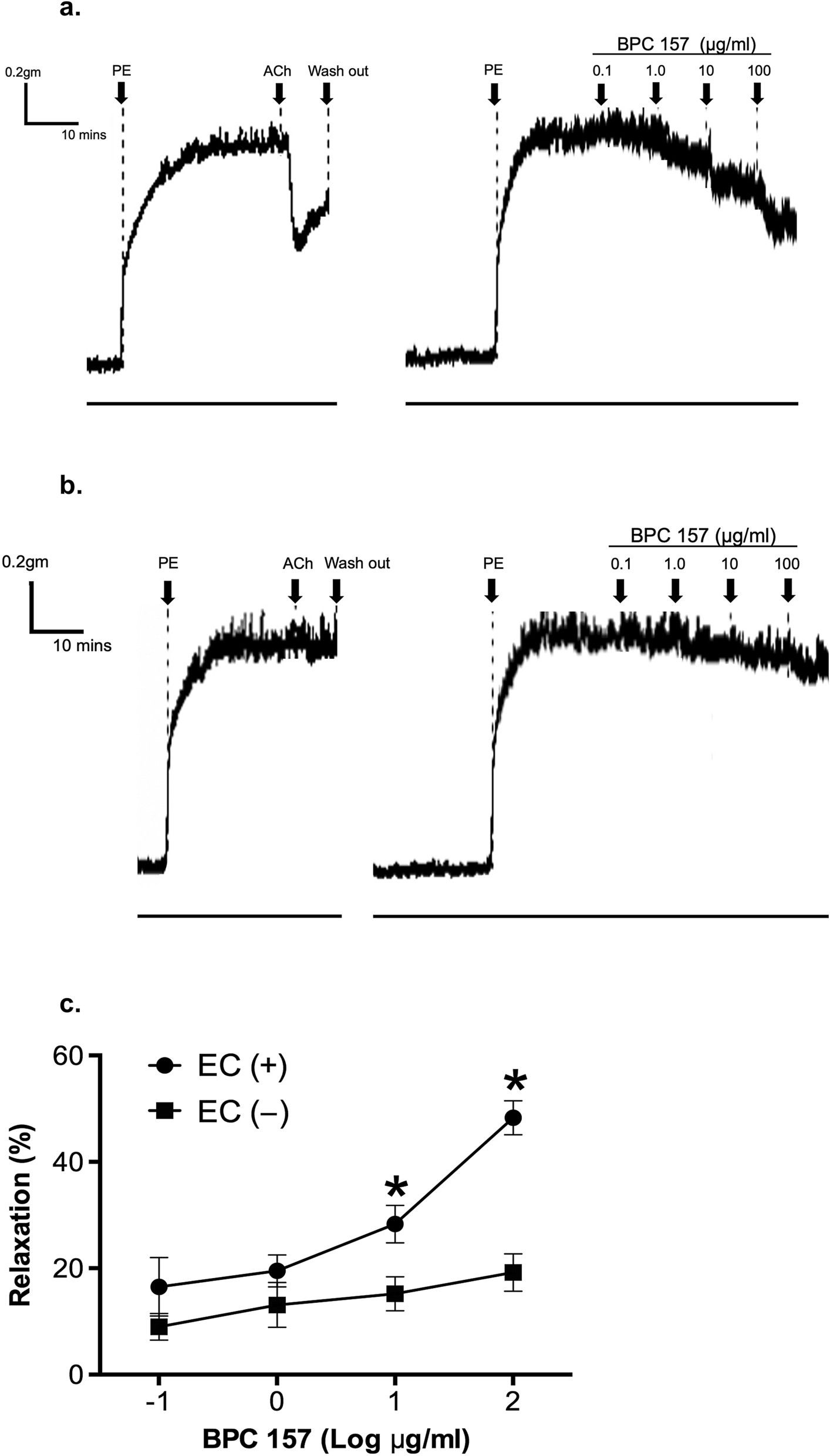
Both are prescription/trial-grade agents
But faster is not always better
Modifications to the peptide chain to reduce degradation by DPP-4, combined with acylation to promote non-covalent binding to albumin, resulted in long-acting formulations, enabling their use in clinical practice.3,5 Initially, GLP-1 receptor monoagonists were marketed with the aim of treating type 2 diabetes, harnessing their incretin effect and glucose-dependent mechanism, along with their capacity to reduce body weight and their beneficial effects on associated comorbidities.1,3,5 Subsequently, research shifted its focus to obesity, employing higher doses than those used for diabetes.3,5 This was followed by the development of unimolecular structures with multi-receptor activity, such as GIP/GLP-1 and GLP-1/glucagon (GCG) coagonists, as well as GIP/GLP-1/GCG triagonists
Their observations do show how lower drinking intensity appears on the dining-room floor
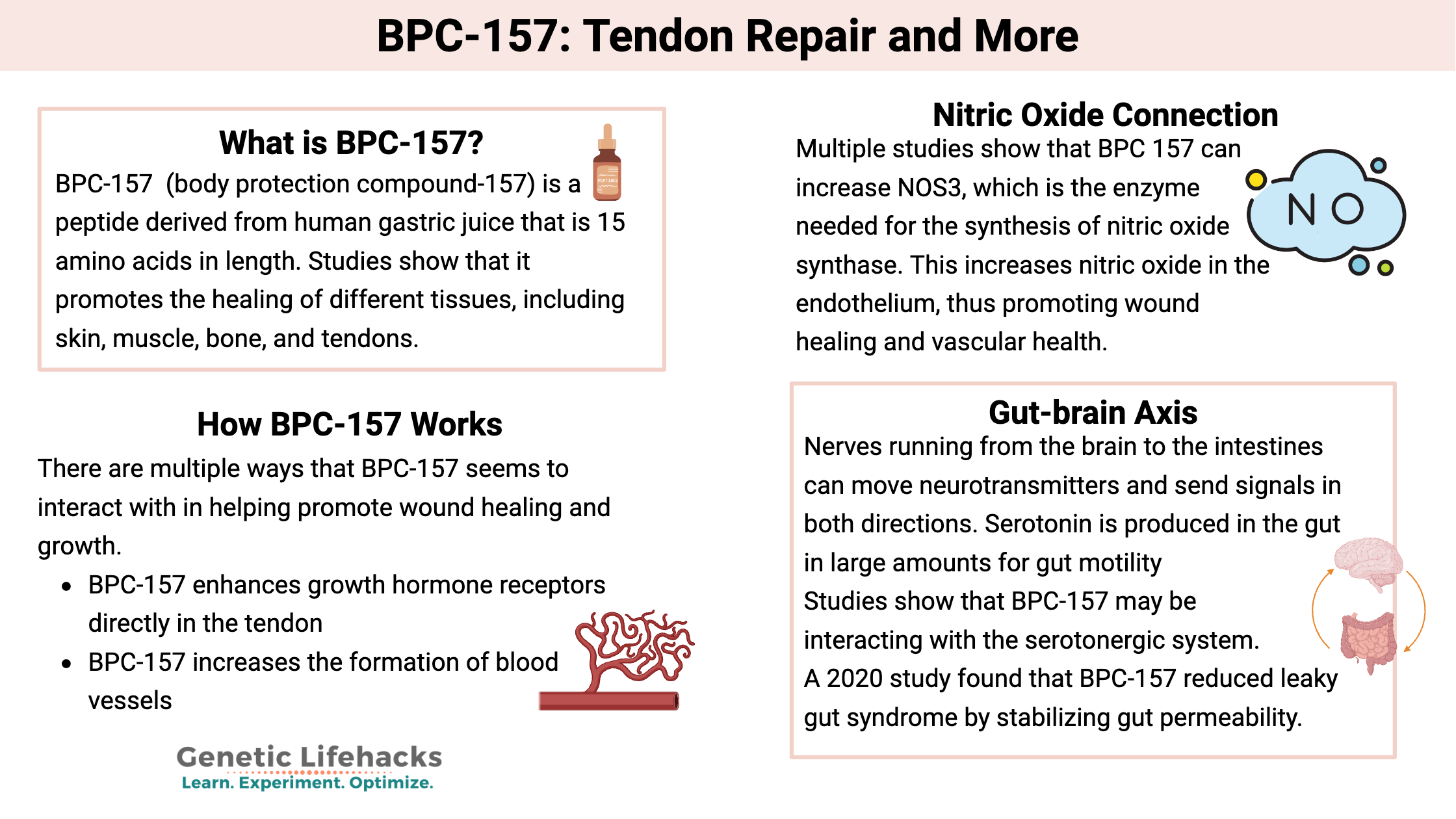
Traditional recovery methodssuch as ice baths, stretching, and protein intakehave their place, but many athletes are turning to more advanced tools to support performance and healing